
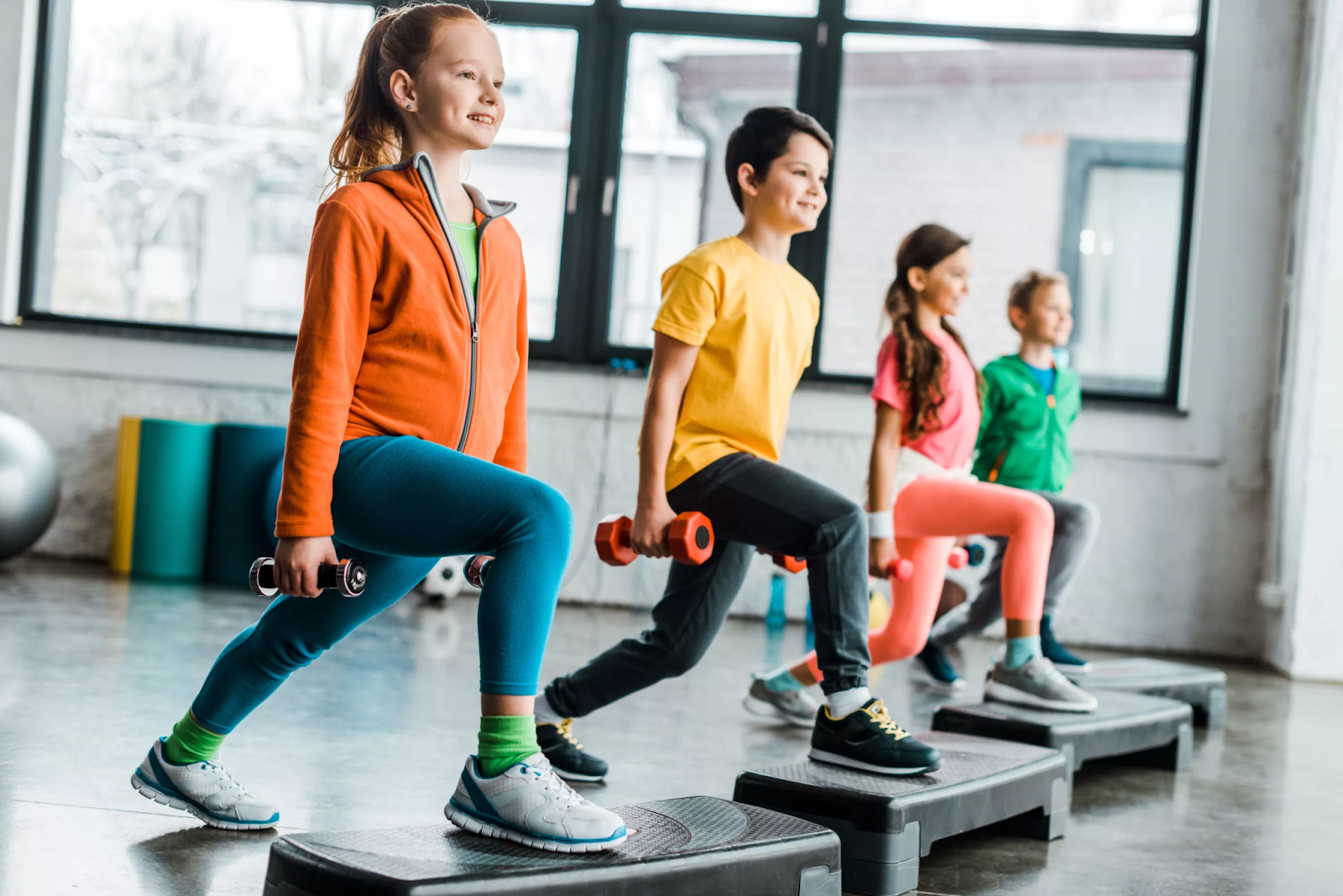
Developing healthy habits in children is crucial for their overall growth and well-being. Encouraging physical activity from a young age not only promotes strong muscles and bones but also fosters emotional balance, social skills, and cognitive development. In today’s world, where screen time often dominates free hours, parents and caregivers need to actively find ways to keep children moving and engaged. Introducing a variety of fun and structured activities can help kids enjoy exercise while building lifelong habits that support a healthy lifestyle.
Youth Workout Training: A Foundation for Fitness
Youth workout training is an excellent way to introduce children to structured exercise routines that promote overall strength, flexibility, and cardiovascular health. These sessions are typically tailored to a child’s age and developmental stage, ensuring the exercises are safe and effective. Incorporating youth workout training into a weekly routine can teach kids the importance of consistency, discipline, and goal setting. Activities such as bodyweight exercises, light resistance training, and cardio games help children develop endurance while keeping workouts engaging and playful.
Gymnastics Lessons for Kids: Enhancing Coordination and Confidence
Gymnastics lessons for kids provide a unique combination of physical and mental development. Beyond improving flexibility, balance, and strength, these lessons encourage focus, determination, and confidence. Young participants often experience a sense of achievement as they master new skills, from basic tumbling to more complex routines. Gymnastics also enhances body awareness, helping children understand how to control and move their bodies efficiently. The structured environment of gymnastics lessons for kids ensures safety while encouraging creativity and self-expression through movement.
Outdoor Adventures: Connecting with Nature and Staying Active
Engaging children in outdoor activities is a powerful way to promote physical health and a love for nature. Activities such as hiking, biking, or even simple walks in the park encourage cardiovascular fitness and strengthen muscles. Outdoor adventures also provide opportunities for children to explore, problem-solve, and build resilience. Group activities, such as scavenger hunts or relay races, combine social interaction with physical exertion, making exercise enjoyable and dynamic. Regular exposure to fresh air and sunlight also supports vitamin D production and overall mood enhancement, contributing to holistic well-being.
Team Sports: Learning Collaboration and Discipline
Participation in team sports like soccer, basketball, or baseball introduces children to the concepts of teamwork, cooperation, and fair play. These sports demand both physical and mental engagement, requiring kids to develop agility, speed, and strategic thinking. Team sports also teach the value of discipline, as consistent practice and adherence to rules are essential for improvement. Moreover, sports provide social benefits, as children interact with peers, build friendships, and learn to navigate both victories and setbacks in a supportive environment.
Dance and Movement Classes: Creativity Meets Fitness
Dance classes are an excellent outlet for children to express themselves while staying physically active. Styles like ballet, hip-hop, or jazz combine rhythm, coordination, and strength in ways that are both challenging and enjoyable. Movement-based activities not only improve posture and flexibility but also enhance cognitive skills, including memory and focus, as children learn choreography and routines. Dance encourages self-expression and creativity, helping children build confidence while developing a strong sense of body awareness.
Swimming: Lifelong Skill and Full-Body Exercise
Swimming is a highly beneficial activity that engages nearly every muscle group and promotes cardiovascular endurance. Teaching children to swim at a young age provides both safety skills and an enjoyable form of exercise. Regular swimming sessions improve lung capacity, strength, and coordination, while also being gentle on joints, making it ideal for children of all ages. Swimming also encourages goal-setting, as children progress from basic strokes to more advanced techniques, instilling a sense of achievement and self-confidence.
Integrating Healthy Habits Into Daily Life
While structured activities are valuable, incorporating movement into daily routines is equally important. Simple changes like walking or biking to school, participating in family sports, or dedicating screen-free playtime can make a significant impact. Encouraging children to choose activities they enjoy fosters intrinsic motivation and ensures that physical engagement becomes a natural part of their lifestyle. Consistency, positive reinforcement, and family involvement are key factors in sustaining these healthy habits over the long term.
Conclusion
Fostering healthy habits through physical activity is essential for a child’s development. Whether through youth workout training, gymnastics lessons for kids, team sports, dance, swimming, or outdoor adventures, a diverse range of activities keeps children engaged and motivated. By integrating both structured and playful movement into daily life, parents can help their children build strong bodies, confident minds, and a lifelong appreciation for fitness. Encouraging an active lifestyle today lays the foundation for healthier, happier adults tomorrow.