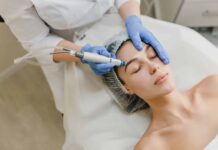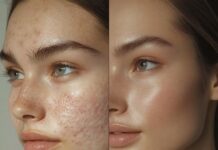

Does your skin condition require medical treatment, aesthetic enhancement, or both? Dermatology clinics in Singapore offer medical and aesthetic treatments for skin, hair, and nail conditions. These MOH-accredited facilities combine diagnostic expertise with therapeutic interventions, addressing everything from acne and eczema to skin cancer detection and cosmetic concerns. Dermatology practices integrate clinical examination, laboratory testing, imaging technology, and procedural treatments to manage both acute and chronic dermatological conditions.
Singapore’s tropical climate creates unique skin challenges — high humidity promotes fungal infections and acne, while year-round UV exposure accelerates photoaging and increases skin cancer risk. Dermatology clinics here adapt their services to address these environmental factors alongside genetic and lifestyle-related skin conditions.
Medical Dermatology Services
Acne Treatment and Management
Acne treatment begins with classification — comedonal, inflammatory, nodulocystic, or hormonal — which determines the therapeutic approach. A dermatologist Singapore for acne consultation for acne includes dermoscopy examination to assess lesion depth, distribution patterns, and scarring potential. Treatment protocols combine:
- Topical medications (retinoids, benzoyl peroxide, antibiotics)
- Oral medications (isotretinoin for severe cases, hormonal therapy for adult female acne)
- Procedural interventions
Chemical peels using salicylic acid or glycolic acid penetrate pores and reduce inflammation. Blue light therapy targets Propionibacterium acnes bacteria through photodynamic activation. Extraction procedures remove comedones manually under sterile conditions, preventing self-trauma and scarring. Intralesional corticosteroid injections flatten cystic lesions.
Post-inflammatory hyperpigmentation and acne scarring receive separate treatment protocols. Fractional laser resurfacing stimulates collagen remodeling for atrophic scars, while subcision releases fibrous bands beneath depressed scars. Maintenance therapy prevents recurrence through customized skincare regimens and regular follow-ups.
Eczema and Atopic Dermatitis Management
Eczema management involves identifying triggers through patch testing (standard series of allergens) and elimination protocols. Severity assessment using SCORAD (Scoring Atopic Dermatitis) index guides treatment intensity:
- Mild cases: emollients and topical corticosteroids
- Moderate cases: topical calcineurin inhibitors
- Severe cases: systemic immunosuppressants
Wet wrap therapy provides intensive hydration for acute flares — moisturizer application followed by wet cotton garments, then dry layer. Phototherapy using narrowband UVB (311–313 nm wavelength) reduces inflammation through immunomodulation. Dupilumab injections for moderate-to-severe atopic dermatitis target IL-4 and IL-13 pathways.
Skin barrier repair focuses on ceramide-based moisturizers applied after bathing. pH-balanced cleansers maintain acid mantle integrity. Environmental modifications include maintaining appropriate room humidity and using hypoallergenic bedding materials.
The appropriate treatment approach, including specific dosages, frequencies, and duration, should be determined by a qualified healthcare professional.
Psoriasis Treatment
Psoriasis evaluation includes PASI (Psoriasis Area and Severity Index) scoring and quality-of-life assessment. Mild psoriasis responds to topical treatments:
- Vitamin D analogues
- Corticosteroids
- Tar preparations
Moderate-to-severe cases require phototherapy or systemic medications:
- Targeted phototherapy delivers focused UVB to plaques while sparing unaffected skin
- PUVA therapy combines psoralen medication with UVA exposure for resistant cases
- Biologic therapies provide molecular-targeted treatment (TNF-alpha, IL-17, IL-23 inhibitors)
Scalp psoriasis requires specialized formulations: medicated shampoos, topical solutions penetrating hair shafts, and intralesional injections for thick plaques. Nail psoriasis treatment includes topical medications under occlusion, intralesional injections at nail matrix, or systemic therapy for multiple nail involvement.
Skin Cancer Screening and Treatment
Full-body skin examinations use dermoscopy to evaluate pigmented lesions through pattern analysis. ABCDE criteria (Asymmetry, Border, Color, Diameter, Evolution) guide clinical assessment, while dermoscopic features like blue-white veil, atypical network, and regression structures indicate malignancy risk. Digital mole mapping photographs lesions for comparison at 6–12 month intervals.
Suspicious lesions undergo biopsy:
- Shave biopsy for raised lesions
- Punch biopsy (3–6mm) for deeper sampling
- Excisional biopsy for complete removal with 2mm margins
Histopathology determines diagnosis and guides further management. Basal cell carcinoma treatment includes Mohs surgery, standard excision, or topical imiquimod for superficial variants. Melanoma management follows Breslow thickness staging. Squamous cell carcinoma excision margins depend on risk factors. Photodynamic therapy treats precancerous actinic keratoses.
Aesthetic Dermatology Services
Anti-Aging Treatments
Facial aging assessment evaluates volume loss, dynamic wrinkles, static lines, and skin quality changes. Treatments include:
- Botulinum toxin injections: Relax dynamic wrinkles in glabella, forehead, and crow’s feet
- Dermal fillers: Restore volume with hyaluronic acid of varying rheological properties
- Skin resurfacing: Fractional CO2 laser, fractional radiofrequency microneedling, chemical peels
Did You Know?
Combination treatments may produce complementary effects — botulinum toxin relaxes muscles, fillers restore volume, and energy devices stimulate collagen.
Pigmentation Treatment
Melasma diagnosis differentiates epidermal, dermal, and mixed patterns. Treatment may combine:
- Tyrosinase inhibitors (hydroquinone 2–4%, kojic acid, arbutin)
- Retinoids for cell turnover
- Strict photoprotection
Laser options:
- Q-switched Nd:YAG (1064nm) for dermal melasma (low-fluence laser toning)
- Q-switched alexandrite (755nm) for epidermal pigmentation
- Picosecond lasers reduce thermal damage and post-inflammatory hyperpigmentation risk
Solar lentigines respond to Q-switched ruby laser (694nm) or IPL (515–640nm). Post-inflammatory hyperpigmentation from acne responds to chemical peels, topical agents, and vascular lasers.
Scar Revision
Scar morphology assessment determines approach:
- Atrophic scars: Subcision, TCA CROSS, fractional laser resurfacing
- Hypertrophic/keloid scars: Intralesional corticosteroids, silicone gel sheeting, pressure therapy, sometimes surgical excision
Radiofrequency microneedling delivers thermal energy at precise depths (0.5–3.5mm) for customized scar treatment.
Specialized Treatments
Hair Loss Solutions
Trichoscopy evaluation identifies patterns:
- Androgenetic alopecia
- Alopecia areata
- Telogen effluvium
Treatments include topical minoxidil, oral medications, PRP therapy, low-level laser therapy, and hair transplantation.
Nail Disorders
Management involves diagnosis and treatment of:
- Onychomycosis (oral antifungals, Nd:YAG laser)
- Nail psoriasis (intralesional corticosteroids, systemic therapy)
- Melanonychia (dermoscopy, possible biopsy)
Hyperhidrosis Treatment
Assessment via gravimetric and starch-iodine testing. Treatments:
- Topical aluminum chloride
- Iontophoresis
- Botulinum toxin injections
- Microwave thermolysis
What Our Dermatologist Says
Clinical dermatology extends beyond visible symptoms. Skin conditions may reflect hormonal changes, nutritional deficiencies, or systemic disease. Consistency and proper technique are essential for treatment success. Singapore’s climate requires adapted skincare routines with morning routines focusing on protection and evening routines emphasizing repair.
Putting This Into Practice
- Schedule annual full-body skin examinations
- Document skin changes through monthly self-examinations
- Apply sunscreen using the two-finger rule and reapply every 2 hours outdoors
- Establish consistent skincare timing
- Keep a trigger diary for chronic conditions
When to Seek Professional Help
- New or changing moles
- Persistent acne unresponsive after 6–8 weeks
- Sudden hair loss
- Rashes with fever or joint pain
- Non-healing wounds >4 weeks
- Severe itching
- Nail changes
- Excessive sweating affecting daily life
- Rapidly growing or bleeding skin lesions
- Recurrent skin infections
Commonly Asked Questions
How long before I see results from acne treatment?
Initial improvement: 4–6 weeks; significant clearing: 12 weeks; full resolution of post-inflammatory marks: 3–6 months.
Can dermatologists treat hair loss in women?
Yes — topical minoxidil, oral medications, PRP, and combination treatments, depending on age and hair loss pattern.
What’s the difference between medical and aesthetic dermatology services?
Medical dermatology treats diseases; aesthetic dermatology enhances appearance. Some overlap exists, e.g., acne scarring.
How often should I get skin cancer screening?
Annually for most; every 3–6 months for high-risk individuals. Digital mole mapping assists tracking.
Are laser treatments safe for Asian skin?
Yes, with appropriate wavelengths, energy settings, and clinic experience.
Next Steps
Early intervention prevents disease progression and reduces long-term complexity. Professional evaluation creates targeted strategies for persistent acne, changing moles, unexplained hair loss, or excessive sweating. MOH-accredited dermatologists provide comprehensive care.